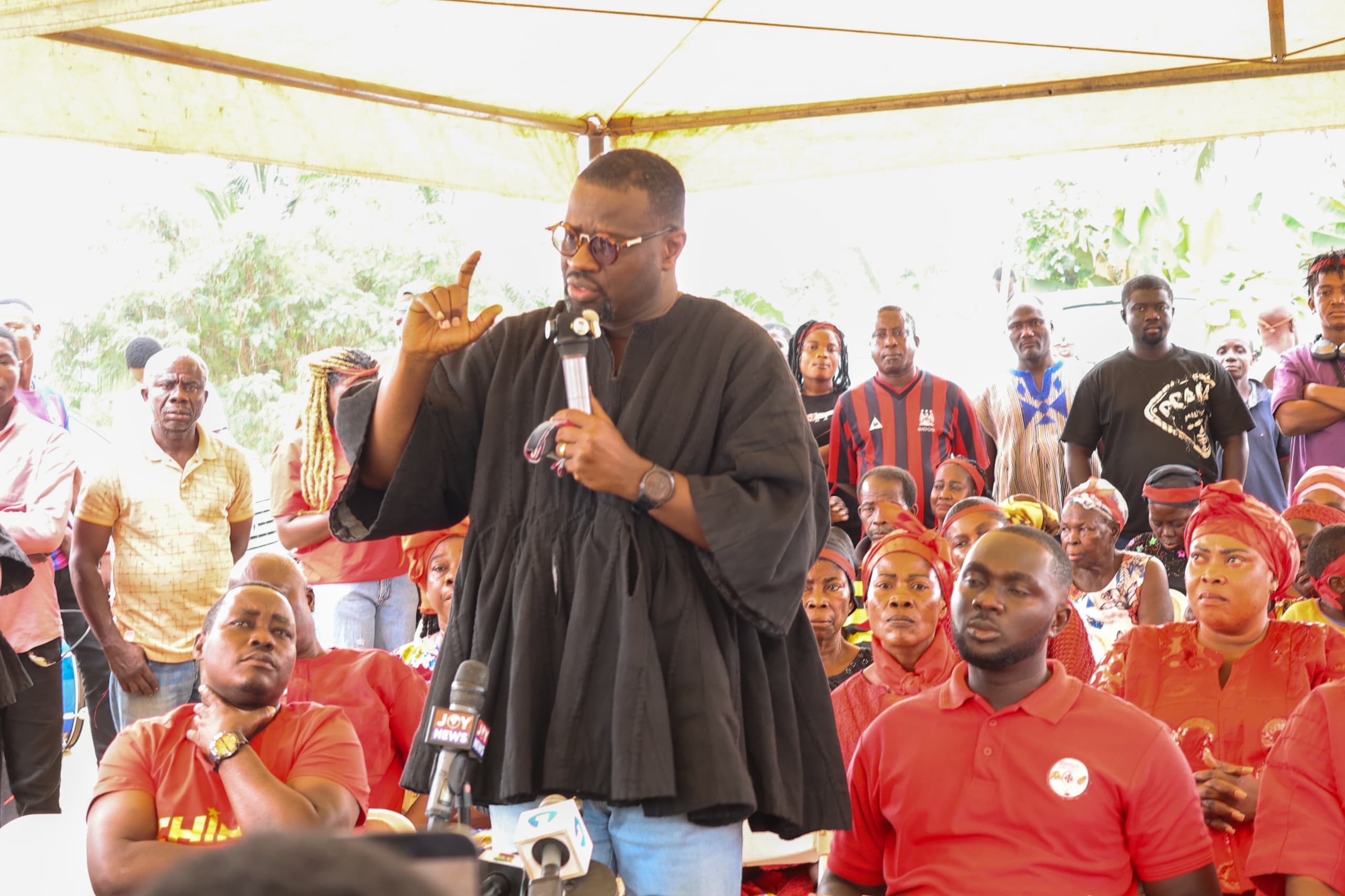
The Minority Chief Whip and Member of Parliament for Nsawam-Adoagyiri, Frank Annoh-Dompreh, has called on the government to suspend the ongoing transfer of waste from Accra to the Adipa Landfill site in Nsawam in the Eastern Region and engage affected stakeholders in meaningful consultations before the exercise continues.
The MP made the call at a press conference held in the Yaw Adipa/Asiyaw community on Monday, September 28, 2026, amid growing concerns from residents over the transportation of large volumes of waste from the Jamestown and Agbogbloshie in Accra to communities within the Nsawam-Adoagyiri municipality.
The controversy forms part of the government’s wider waste-evacuation programme aimed at clearing accumulated refuse from parts of Accra as part of efforts to address longstanding sanitation challenges in the capital.
The waste is being transported to designated landfill facilities, including sites in the Nsawam-Adoagyiri Municipality.
However, according to Hon. Annoh-Dompreh, the exercise has been carried out without adequate consultation with key stakeholders, including traditional authorities, residents, local assembly officials, assembly members and his office as Member of Parliament for the area.
“There was no engagement. The chiefs and the people in that area were not engaged. The local assembly was not engaged. Assemblymen, the MP of the area, all the stakeholders were not engaged,” he said, stressing that the government should have consulted affected communities before commencing the operation.
The MP questioned the basis for selecting Adipa as a destination for waste evacuated from Accra and argued that the Minister responsible for Local Government should have met community leaders and residents to explain the decision and address concerns before implementation.
Mr. Annoh-Dompreh’s latest intervention follows concerns he raised on September 24, when he called for the bsuspension of the exercise pending consultations with affected communities. At the time, residents cited foul odours, increased flies and fears about possible water pollution resulting from the dumping activities.
Beyond the immediate concerns surrounding the landfill operations, the MP linked the issue to Ghana’s broader commitments on environmental sustainability and responsible waste management.
He referenced the Sustainable Development Goals, particularly SDG 11 on Sustainable Cities and Communities, arguing that waste management policies must be implemented in ways that protect both public health and the environment.
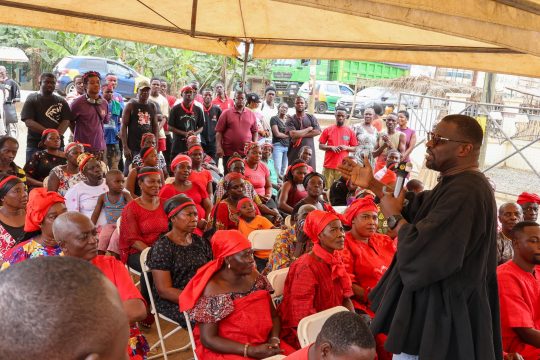
He also pointed to commitments on sustainable waste management contained in the governing party’s manifesto and questioned what policy considerations had informed the decision to transport significant quantities of waste from Greater Accra to communities in the Eastern Region.
“What has changed?” he repeatedly asked while calling on the government to provide a clear explanation for the move.
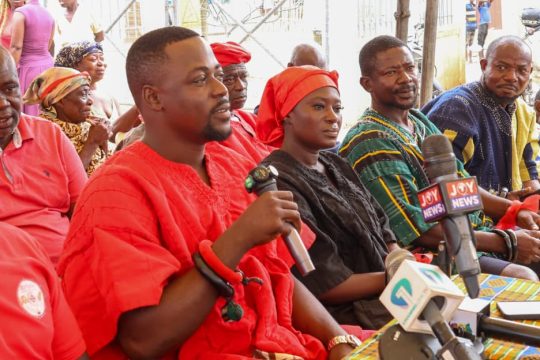
At the press conference, the Assembly Member for the Yaw-Adipa Electoral Area, Emmanuel Asamoah, outlined a list of concerns raised by residents. According to him, while the area has previously received waste, the current influx from Accra has significantly increased pressure on the community.
He alleged that residents were being exposed to unpleasant odours, increasing numbers of flies and other pests, while expressing concern about possible environmental and public-health implications. He also claimed that runoff from the site during rainfall had affected drainage systems and raised fears of groundwater contamination.
The environmental and health concerns raised by residents and community leaders have not been independently verified through a published environmental or health impact assessment, according to available reports.
Residents, through their representatives, subsequently presented five key demands to authorities: the immediate suspension of waste-dumping activities, an independent environmental and health impact assessment, a comprehensive cleanup and decontamination exercise, enhanced security measures around the site, and a public forum within seven days to discuss a long-term waste-management strategy.
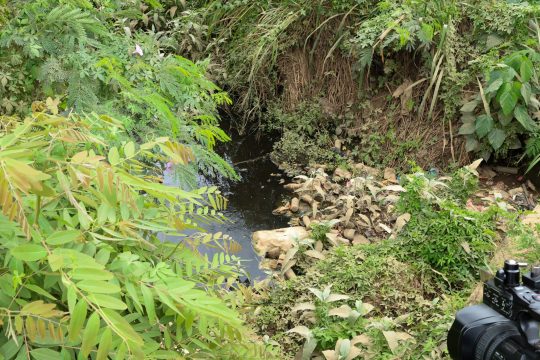
Mr. Asamoah further issued a seven-day ultimatum to authorities to respond to the community’s concerns, warning that residents could consider measures to restrict access to the landfill sites if no satisfactory action is taken.
While expressing support for residents’ concerns, Hon. Annoh-Dompreh urged that any action taken must remain within the confines of the law, stressing that the objective was not confrontation but accountability and dialogue.
“We are not fighting government,” he said, adding that his responsibility as MP is to represent the concerns of constituents and ensure that government listens to their grievances through constitutional and lawful means.
The MP maintained that residents have a right to live in a clean and safe environment and called on the government to adopt a more consultative approach to addressing Ghana’s waste-management challenges.
“The President should turn a listening ear to the people’s cry,” Hon. Annoh-Dompreh said, reiterating his call for broader stakeholder engagement and a sustainable solution that addresses Accra’s sanitation needs without imposing undue environmental burdens on host communities.