
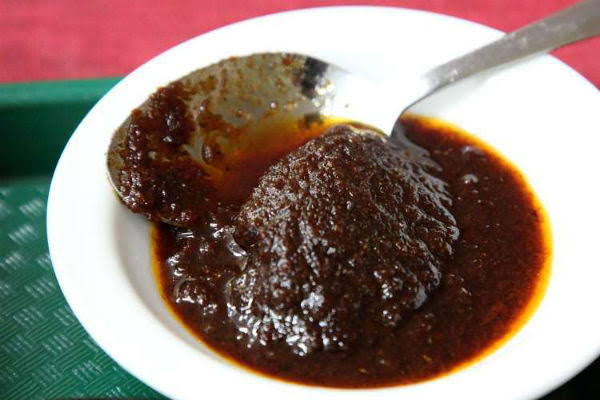
There are moments in the life of a nation when we must decide whether we are prepared to protect what is uniquely ours or allow it to gradually lose its identity through neglect, institutional indifference and poorly considered policy decisions. The debate surrounding the proposed revised Ghana Standards Authority (GSA) standard for shito presents one such moment.
Shito is not just another pepper sauce. It is a distinctly Ghanaian product, deeply embedded in our food culture, culinary traditions and everyday lives. It is a familiar presence in our homes, schools, restaurants, chop bars, markets and social gatherings. For generations, Ghanaians have enjoyed it, produced it, traded it and introduced it to the world.
Yet, as we move towards formalising a national standard for this important product, we must ask a fundamental question: Are we protecting the identity of shito, or are we about to dilute it in the name of standardisation?
This is not a trivial technical disagreement between manufacturers and regulators. It is a question about national heritage, economic sovereignty, agricultural livelihoods, industrial development and Ghana’s ability to build globally recognised products from its own cultural resources.
Shito must remain shito
Every traditional product has defining characteristics. Shito is no exception.
Its essential ingredients include pepper, onion, ginger, oil, tomato and fish and/or shrimp. While recipes and proportions may differ from household to household and manufacturer to manufacturer, fish or shrimp remains a defining element of the traditional identity of shito. This distinction matters.
Not every pepper-based sauce is shito, just as not every sparkling wine is Champagne and not every cheese is Feta. When a product has a distinct traditional identity, its name should communicate something meaningful to the consumer.
The concern surrounding the GSA’s proposed revised standard is that expanding the definition of shito to accommodate formulations that depart from its traditional composition could gradually strip the product of that identity.
Standardisation should improve quality, consistency, hygiene and consumer confidence. It should not erase the very characteristics that make a product distinctive.
Ghana must therefore distinguish between protecting the traditional identity of shito and allowing innovation in the wider pepper sauce industry. There is room for both.
Products that meet the traditional composition should retain the name shito. Other formulations can be marketed under the broader category of pepper sauce. This approach protects tradition without restricting innovation or entrepreneurship.
Who is protecting the name?
An equally important concern is the institutional responsibility gap surrounding the protection of shito. The Ghana Standards Authority has the responsibility of developing national standards. However, the protection of geographical indications and intellectual property falls within the remit of the Ghana Intellectual Property Office (GHIPO).
This creates an important question of coordination.
If the GSA is developing a standard that will define what can be marketed as shito, while the institution responsible for intellectual property protection is expected to safeguard the name, where is the integrated national framework?
We should not finalise a standard defining a Ghanaian heritage product without first establishing how its identity will be protected.
Greece’s experience with Feta cheese offers an important lesson.
The country’s efforts to secure exclusive recognition for Feta in international markets illustrate how difficult and protracted the protection of a product name can become once its use has spread across different producers and markets.
Ghana should not wait until shito faces similar difficulties before taking the necessary steps. The proposed standard should therefore be held in abeyance until GHIPO, working with the World Intellectual Property Organisation (WIPO), has established an appropriate protection framework.
Jobs and livelihoods
The shito debate is not simply about recipes or culinary authenticity. It has direct implications for the livelihoods of thousands of Ghanaians. Behind every bottle of locally manufactured shito is an economic chain involving pepper farmers, onion farmers, ginger producers, fishermen, shrimp suppliers, fishmongers, processors, packaging companies, distributors, retailers and factory workers. The industry creates demand for agricultural produce, supports fishing communities, provides employment and keeps economic value circulating within the domestic economy.
There are also concerns about imported imitation products potentially entering the Ghanaian market and competing with locally manufactured shito. These reports require proper investigation. They should not be treated as established facts without verification. The Food and Drugs Authority (FDA) and Customs should investigate the claims and establish whether products that do not conform to the traditional identity of shito are being imported and marketed under that name.
If such practices are occurring, the implications deserve serious attention.
Imported products competing under the shito name could displace local manufacturers and reduce demand for locally sourced ingredients. This could affect smallholder farmers, fishing communities and domestic processors.
More importantly, allowing products that do not meet the traditional definition to compete under the same name could place genuine Ghanaian producers at a disadvantage.
Protecting shito’s identity can help create a more predictable market for local producers. It can encourage manufacturers to establish stronger relationships with farmers and fishing communities, invest in local processing and develop supply chains that support domestic production. This is how heritage protection can become an instrument of economic development.
The US$170 million opportunity we must not ignore
Perhaps the most compelling reason to approach this issue strategically is the economic opportunity that shito represents.
Ghana reportedly earned approximately US$20.1 million from sauce exports in 2024. With the right policy framework, product protection, quality assurance, branding and international market positioning, shito could potentially develop into a US$100 million to US$170 million annual export industry.
That is a significant opportunity for a country seeking to expand non-traditional exports, strengthen local manufacturing and reduce dependence on imported consumer products.
Consider what other countries have achieved by protecting and promoting distinctive products.
French Champagne has developed into a multibillion-dollar global industry. Italian Parmigiano Reggiano has established an international reputation and a substantial export market. Greek Feta has benefited from geographical indication protection, while South African Rooibos demonstrates how a distinctive indigenous product can be positioned internationally. These examples are not directly interchangeable with shito. They operate under different regulatory, commercial and geographical conditions.
However, they demonstrate an important principle: a country’s cultural and agricultural heritage can become a valuable economic asset when it is properly protected, developed and marketed. Ghana has an opportunity to pursue a similar ambition with shito.
Imagine shito becoming a recognised Ghanaian export product on supermarket shelves in London, New York, Toronto, Johannesburg and other international markets.
Imagine Ghanaian manufacturers expanding production, employing more people, sourcing ingredients from local farmers and supplying international distributors. Imagine the growth of a domestic industry built around a product that Ghanaians already know, consume and love. This is not merely a culinary ambition. It is an industrial development opportunity.
Establish a Shito Heritage Fund
If Ghana is serious about transforming shito into a major export industry, the benefits must extend beyond manufacturers and exporters.
The farmers, fishermen, processors and communities that supply the raw materials must also benefit. One proposal worth serious consideration is the establishment of a Shito Heritage Fund. The fund could be financed through certification fees and an agreed allocation of tax revenues generated from the growth of shito exports. Its mandate would be to support the agricultural and fishing communities that sustain the industry.
Resources could be directed towards:
(i) Supporting smallholder pepper, onion and ginger farmers.
(ii) Improving fish and shrimp processing and preservation.
(iii)Strengthening local agricultural supply chains.
(iv) Supporting research, product development and quality assurance.
(v) Helping small and medium-sized shito manufacturers meet export requirements.
Promoting Ghanaian shito internationally as a distinctive heritage product. Such a fund would ensure that the commercial success of shito translates into wider economic benefits.
It would also create an incentive for manufacturers to invest in local sourcing rather than depend unnecessarily on imported raw materials.
Three decisions Ghana must make now
The way forward does not have to be complicated. There are three practical decisions that should guide the national conversation.
First, reserve the name shito for products that meet its traditional composition. The defining ingredients and characteristics of traditional shito must be clearly established in consultation with producers, consumers, food scientists and relevant stakeholders.
Second, allow innovation under the broader category of pepper sauce. Manufacturers should remain free to experiment with ingredients, flavours and formulations. However, products that do not meet the traditional definition should be marketed under an appropriate alternative designation. This protects consumer choice while preserving the identity of shito.
Third, suspend the final adoption of the revised standard until a national protection framework is established. The GSA should work with GHIPO and WIPO to determine the most appropriate mechanisms for protecting the name, including the feasibility and legal requirements for geographical indication or other intellectual property protection.
The FDA and Customs should also investigate reports of imitation imports and ensure that products entering the Ghanaian market comply with applicable regulations and labelling requirements. These are not unreasonable demands. They are sensible steps towards ensuring that Ghana does not standardise away an important national asset before putting measures in place to protect it.
A national heritage worth protecting
There is a broader lesson here about how we approach development as a country.
Too often, we celebrate the potential of Ghanaian products without building the institutional and commercial structures required to turn that potential into sustainable economic value.
We speak about industrialisation, import substitution, agricultural transformation and export diversification. Yet, when opportunities arise to connect these ambitions to products rooted in our own culture and traditions, we sometimes fail to appreciate the importance of protecting their identity.
Shito offers us an opportunity to do things differently. We can protect its traditional identity, encourage innovation, strengthen local manufacturing, create markets for agricultural producers and build an internationally competitive Ghanaian brand. But we must get the foundation right.
The name shito belongs to a culinary tradition that generations of Ghanaians have helped create, preserve and commercialise. Its value is not simply in the ingredients inside a bottle. It is also in the cultural history, local knowledge, agricultural relationships and commercial opportunities that surround it.
We should not wait until the name becomes generic in international markets before recognising the importance of protecting it.
Shito is more than a sauce. It is heritage, livelihood, enterprise and economic opportunity in a bottle.
The GSA’s standard-setting process must recognise this reality.
Let us protect the name.
Let us protect the producers.
Let us protect the farmers and fishing communities.
And, above all, let us protect the opportunity to turn a distinctly Ghanaian product into a globally recognised export success.
Save our shito. Protect our heritage. Grow our industry.
Written by: Kwame Amoah Esq